AI820
来源:厦门雄霸电子商务有限公司
发布时间:2022-04-13 11:19:59
AI820
AI820 一个顺序控制过程可分为若干个阶段,也称为步或状态,每个状态都有不同的动作。当相邻两状态之间的转换条件得到满足时,就将实现转换,即由上一个状态转换到下一个状态执行。我们常用状态转移图(功能表图)描述这种顺序控制过程。用状态器S记录每个状态,X为转换条件。如当X1为ON时,则系统由S20状态转为S21状态。
022年3月29日,施耐德电气在生态圈逐渐强大之时,重磅开启“绿色智能制造创赢计划”第三季。在*季和第二季实践的基础上,施耐德电气在第三季中给我们带来了更多、更的全新亮点。工业和信息化部国际经济技术合作中心副主任李毅锴在启动仪式上特别表示:“尽管受复杂多变的国内外环境和疫情影响,中小企业作为支撑经济发展*活跃的主体和创新活动的主力军,为经济社会发展做出了重要贡献,但也面临着诸多挑战。*高度重视中小企业发展。今年《政府工作报告》从加大企业创新激励力度、坚持纾困和培优两手抓,着力培育‘专精特新’中小企业等方面,出台了若干惠企政策。工业和信息化部作为*促进中小企业发展工作的主管部门,也在不断加大中小企业纾困帮扶力度,强化企业培育,引导广大中小企业走‘专精特新’发展道路,促进产业数字化绿色化转型。”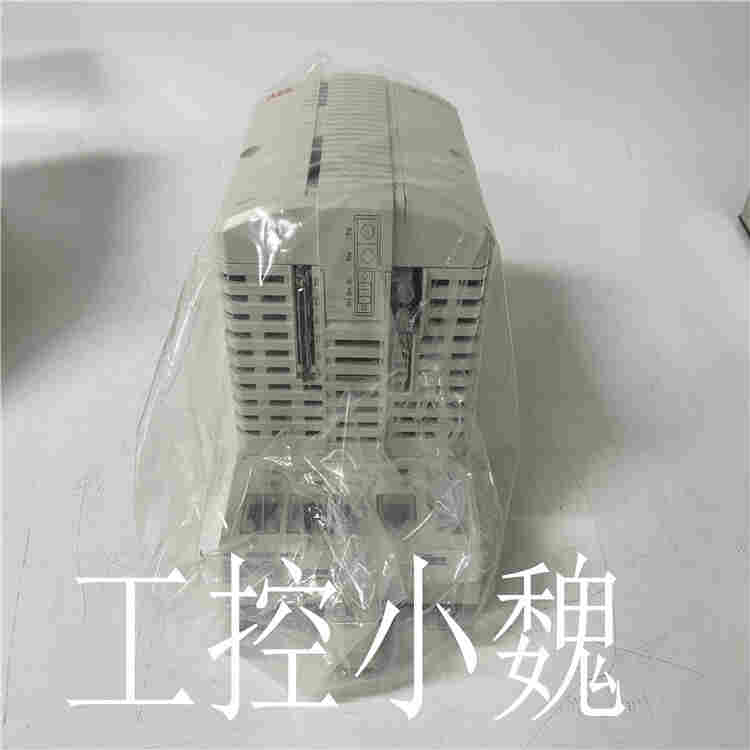
借此契机,工控网很高兴与施耐德电气工业自动化业务区数字化生态圈进行了深入交流,她为我们分享了她对于“绿色智能制造创赢计划”的深刻理解,前两季创赢计划的复盘感受以及对第三季创赢计划的期望。截至目前,“绿色智能制造创赢计划”已经为二十余家初创型企业提供技术和资源,涌现出了大量创新的工业技术和应用场景。在今年的启动仪式上,参加过2021年创赢计划的悠桦林信息科技(上海)有限公司市场监胡奇豪更是表示:“我们在培训和POC实践中收获颇丰,更是预期地开拓了一个新的营销思路和业务赛道。”
单打独斗不是好汉,凝聚众心才是英雄。从前两季创赢计划的报名、落地、场景和合作数据来看,施耐德电气已经将整个生态圈一步步发展壮大,创赢计划的关注度也越来越多。
:“经过对前两季创赢计划的深度复盘,我们在未来还是会继续把信息化、工业化深度融合,践行地更加扎实,寻找对于工业企业用户更有价值的场景,再融合到创*中小企业或者科技型企业,大家一起打造一系列联创方案。”
据了解,2022年,创赢计划第三季将会打造“加速营”和“成长营”双营模式、“绿色智能制造技术融合创新*委员会”以及丰富的“工业场景”等全新亮点。具体来说,为赋能更多的“专精特新”企业,第三季将延续招募、筛选报名企业的加速营模式,针对一线工业场景亟需的高可复制性的数字化解决方案,“由0到1”进行创新,从而解决终端客户和市场需求,为构建工业底层的数字化能力添砖加瓦。
成长营
此外,还将开启全新的“从1到N、快速复制推广”的成长营模式,从前两季PoC成果中筛选出获得客户及市场认可、有前景且较为完整的联创方案,进行更有针对性的改进和提升,使之快速落地形成规模化发展。
据蔡婷婷介绍,新增加的成长营模式,是希望将加速营打造的联创方案进行落地和规模化复制,并见到实际的落地效果。对于施耐德电气来说,希望不仅能够助力中小企业业务发展,也能够实现通过创新带来新的业务增长点。
It is a unified whole. At present, the research hotspot of neuroscience mainly focuses on analyzing the structure of brain network at the above levels, observing the activities of brain network, and finally clarifying the function of brain network, namely the mechanism of information storage, transmission and processing. To achieve this goal, need to break through the key technology is for accurate and rapid determination of brain network structure, network activity of the brain mass detection and control, and efficient analysis for these huge amounts of data, moreover also needs in the experimental data under the constraints of the appropriate model and theory, form a complete understanding of brain information processing [3]. The original intention of brain-like computing device research is to greatly reduce power consumption without compromising performance, or to greatly increase speed at similar power consumption. Although modern computers have amazing computing power and speed, they are accompanied by high energy consumption. Main computers tend to consume more than megawatts of power, compared with about 20 watts for an adult brain. The huge power consumption severely limits the further development of miniaturized systems (because of the difficulty in dissipating heat), and also makes complex ded applications and remote applications, such as space exploration,
借此契机,工控网很高兴与施耐德电气工业自动化业务区数字化生态圈进行了深入交流,她为我们分享了她对于“绿色智能制造创赢计划”的深刻理解,前两季创赢计划的复盘感受以及对第三季创赢计划的期望。截至目前,“绿色智能制造创赢计划”已经为二十余家初创型企业提供技术和资源,涌现出了大量创新的工业技术和应用场景。在今年的启动仪式上,参加过2021年创赢计划的悠桦林信息科技(上海)有限公司市场监胡奇豪更是表示:“我们在培训和POC实践中收获颇丰,更是预期地开拓了一个新的营销思路和业务赛道。”
单打独斗不是好汉,凝聚众心才是英雄。从前两季创赢计划的报名、落地、场景和合作数据来看,施耐德电气已经将整个生态圈一步步发展壮大,创赢计划的关注度也越来越多。
:“经过对前两季创赢计划的深度复盘,我们在未来还是会继续把信息化、工业化深度融合,践行地更加扎实,寻找对于工业企业用户更有价值的场景,再融合到创*中小企业或者科技型企业,大家一起打造一系列联创方案。”
据了解,2022年,创赢计划第三季将会打造“加速营”和“成长营”双营模式、“绿色智能制造技术融合创新*委员会”以及丰富的“工业场景”等全新亮点。具体来说,为赋能更多的“专精特新”企业,第三季将延续招募、筛选报名企业的加速营模式,针对一线工业场景亟需的高可复制性的数字化解决方案,“由0到1”进行创新,从而解决终端客户和市场需求,为构建工业底层的数字化能力添砖加瓦。
成长营
此外,还将开启全新的“从1到N、快速复制推广”的成长营模式,从前两季PoC成果中筛选出获得客户及市场认可、有前景且较为完整的联创方案,进行更有针对性的改进和提升,使之快速落地形成规模化发展。
据蔡婷婷介绍,新增加的成长营模式,是希望将加速营打造的联创方案进行落地和规模化复制,并见到实际的落地效果。对于施耐德电气来说,希望不仅能够助力中小企业业务发展,也能够实现通过创新带来新的业务增长点。
It is a unified whole. At present, the research hotspot of neuroscience mainly focuses on analyzing the structure of brain network at the above levels, observing the activities of brain network, and finally clarifying the function of brain network, namely the mechanism of information storage, transmission and processing. To achieve this goal, need to break through the key technology is for accurate and rapid determination of brain network structure, network activity of the brain mass detection and control, and efficient analysis for these huge amounts of data, moreover also needs in the experimental data under the constraints of the appropriate model and theory, form a complete understanding of brain information processing [3]. The original intention of brain-like computing device research is to greatly reduce power consumption without compromising performance, or to greatly increase speed at similar power consumption. Although modern computers have amazing computing power and speed, they are accompanied by high energy consumption. Main
以上信息由企业自行提供,信息内容的真实性、准确性和合法性由相关企业负责,仪器仪表交易网对此不承担任何保证责任。
温馨提示:为规避购买风险,建议您在购买产品前务必确认供应商资质及产品质量。
温馨提示:为规避购买风险,建议您在购买产品前务必确认供应商资质及产品质量。
上一篇:
吴忠一般房屋安全鉴定公司-吴忠中...
下一篇:
CKG3-630A真空接触器.
